Device-Agnostic RPM: AI Vital Monitoring for Health Equity
Traditional RPM programs create healthcare disparities by requiring specialized devices that exclude vulnerable populations. Device-agnostic vital monitoring uses existing smartphones to capture health data, eliminating hardware barriers and enabling broader patient participation. This approach aligns with value-based care incentives by focusing on clinical outcomes rather than device distribution, making RPM programs more equitable and sustainable.
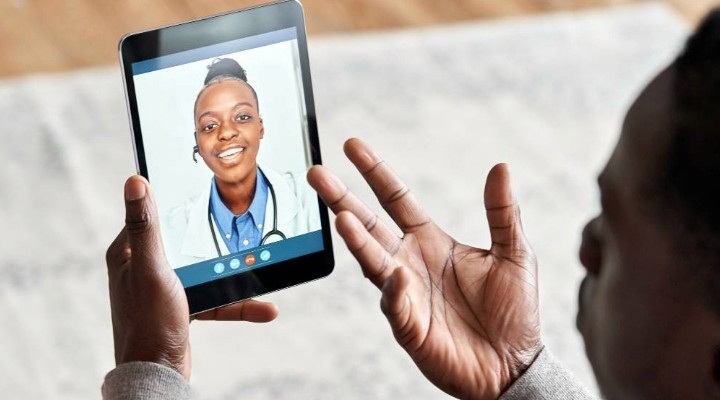
Healthcare disparities have been a persistent challenge in the United States, with vulnerable populations facing significant barriers to accessing quality healthcare. Factors such as race, ethnicity, socioeconomic status, and geographic location contribute to these disparities. In recent years, remote patient monitoring (RPM) has emerged as a potential solution to address healthcare disparities, yet traditional wearable-dependent approaches may inadvertently create new barriers. In this article, we will explore how device-agnostic vital monitoring can serve as a true health equity tool within value-based care frameworks.
Understanding Device-Agnostic Remote Patient Monitoring
Device-agnostic remote patient monitoring represents a fundamental shift from traditional RPM approaches that rely on specialized wearable devices or hardware distribution. This approach leverages existing technology—smartphones, tablets, or computer cameras—to capture vital signs and health metrics without requiring patients to manage additional devices.
Unlike conventional RPM that requires blood pressure cuffs, pulse oximeters, or wearable sensors, device-agnostic monitoring uses AI-powered camera technology to measure heart rate, blood pressure, respiratory rate, oxygen saturation, and stress levels. This eliminates the hardware equity gap that often prevents vulnerable populations from participating in remote monitoring programs.
Healthcare Disparities in Traditional RPM
Healthcare disparities refer to differences in healthcare access, utilization, and outcomes between different populations. These disparities can manifest in various forms, including racial and ethnic disparities, geographic disparities, and socioeconomic disparities.
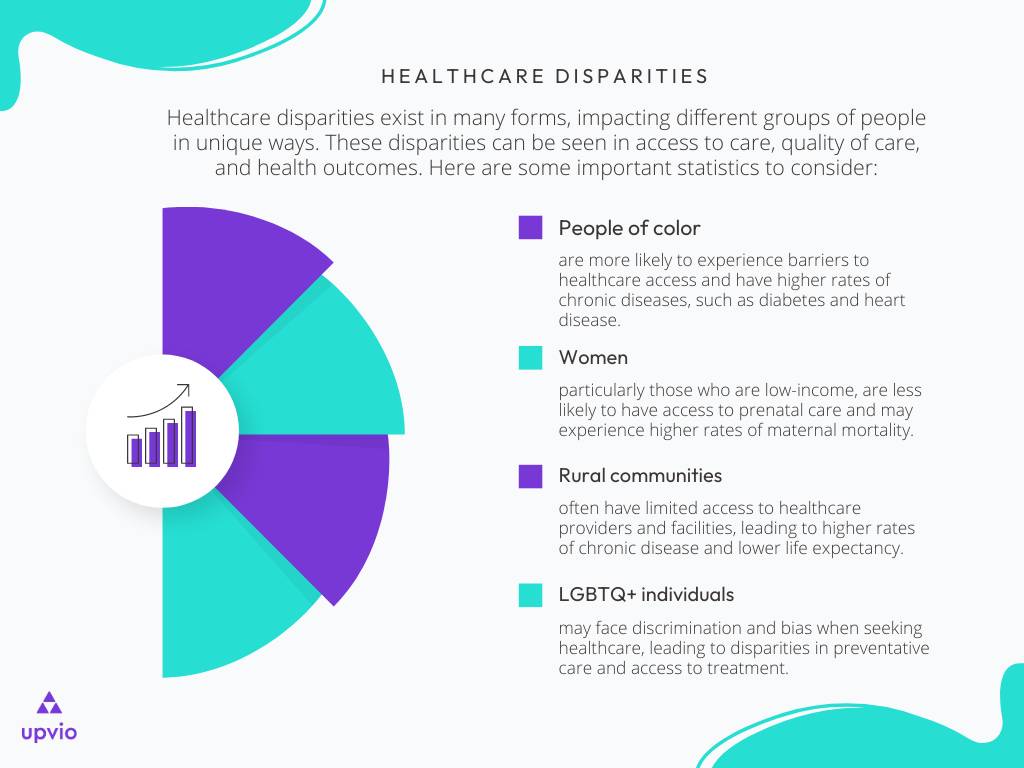
Traditional RPM programs often exacerbate existing disparities by creating a two-tier system. Patients who can successfully manage devices, maintain them, and navigate technical requirements participate effectively, while those who cannot are excluded. Racial and ethnic minorities, elderly populations, and individuals with lower digital literacy face disproportionate barriers to device-based monitoring. Geographic disparities persist when device distribution and technical support are limited in rural areas. Socioeconomic disparities emerge when patients cannot afford device replacement, reliable internet, or technical support.
Further Reading:
Balancing Technology and Empathy in Digital Patient Experience
Remote Healthcare and Life Expectancy in the US: Factors to Consider
How Device-Agnostic Monitoring Addresses Healthcare Disparities
Device-agnostic monitoring has the potential to address healthcare disparities by eliminating hardware barriers, improving population health outcomes, aligning with value-based care incentives, and reducing implementation costs.
Eliminating Hardware Barriers
Device-agnostic monitoring removes the primary barrier to RPM participation by working with devices patients already own. This approach eliminates device distribution logistics, reduces technical support requirements, and removes the burden of device management from patients. Healthcare providers can enroll patients immediately without waiting for device shipments or conducting device training sessions, significantly expanding program reach to underserved populations.
Improving Population Health Outcomes
By enabling broader participation, device-agnostic monitoring can improve population health metrics across diverse patient groups. The technology facilitates continuous monitoring of patients with chronic conditions without the compliance challenges associated with wearable devices. This leads to earlier intervention, reduced hospitalizations, and better management of conditions like hypertension, diabetes, and heart disease across entire patient populations.
Aligning with Value-Based Care Incentives
Value-based care contracts reward healthcare organizations for achieving population health outcomes rather than simply providing access to monitoring devices. Device-agnostic monitoring aligns with these incentives by focusing on actual health data collection and clinical outcomes rather than device distribution metrics. Organizations can demonstrate improved patient engagement, reduced readmissions, and better chronic disease management—key performance indicators in value-based contracts.
Reducing Implementation Costs
Device-agnostic monitoring eliminates the significant overhead costs associated with device procurement, distribution, maintenance, and replacement. Healthcare organizations can redirect these resources toward clinical care and patient support, making RPM programs more sustainable and scalable across diverse patient populations.
Value-Based Care and Population Health Alignment
Value-based care models create financial incentives for healthcare organizations to improve population health outcomes while controlling costs. Traditional RPM programs often struggle to demonstrate clear ROI due to high device costs and limited patient participation. Device-agnostic monitoring addresses these challenges by enabling broader patient enrollment and focusing resources on clinical outcomes rather than hardware management.
Population health leaders can leverage device-agnostic monitoring to achieve key value-based care metrics including reduced hospital readmissions, improved chronic disease management, and enhanced patient engagement scores. The technology supports preventive care initiatives by enabling continuous monitoring without the barriers that typically limit participation in underserved populations.
Mobile health approaches have proven effective in reaching underserved populations.
Challenges and Implementation Considerations
Despite its potential to address healthcare disparities, device-agnostic monitoring faces implementation challenges including technology adoption, regulatory considerations, privacy and security requirements, and clinical workflow integration.
Technology adoption requires ensuring patients have access to compatible devices with cameras, though smartphone penetration continues to increase across all demographic groups. Regulatory considerations include ensuring compliance with FDA requirements for AI-based medical devices and maintaining HIPAA compliance for health data transmission. Privacy and security protocols must address the unique considerations of camera-based health monitoring while maintaining patient trust.
Clinical workflow integration requires training healthcare teams on new monitoring approaches and establishing protocols for acting on remotely collected vital signs data. However, these challenges are significantly less complex than those associated with traditional device-based RPM programs.
Upvio's Vitals AI platform addresses these implementation challenges by providing a clinically validated, FDA-compliant solution that works with existing devices. The platform captures over 20 vital signs and health markers using only a smartphone camera, eliminating the hardware equity gap while maintaining clinical accuracy. Healthcare organizations can implement population-wide monitoring programs without the logistical complexity of device distribution and management.
Further Reading:
Conclusion
Device-agnostic vital monitoring represents a structural solution to the hardware equity problem that has limited traditional RPM programs. By eliminating device barriers and focusing on clinical outcomes, this approach aligns with value-based care incentives while advancing health equity goals. Healthcare organizations can achieve broader patient participation, improved population health metrics, and sustainable RPM programs that serve all patients regardless of their ability to manage specialized devices.
The shift toward device-agnostic monitoring is not just a technological advancement—it's a policy imperative for healthcare organizations committed to health equity and value-based care success. By embracing this approach, we can work towards a more equitable healthcare system that leverages technology to include rather than exclude vulnerable populations.
Ready to implement device-agnostic monitoring for your population health programs?
Talk to us about population health monitoring.
Dive deeper with Impact of Telehealth on Healthcare Providers: Improving Efficiency.
Explore What to Do When AI Health Software Stops Responding.
Discover Remote Healthcare and Life Expectancy in the US: Factors to Consider.