RPM Reimbursement in 2026: A Guide for Health Systems
This comprehensive guide covers the four primary CPT codes for RPM billing (99453, 99454, 99457, 99458), CMS coverage requirements including the 16-day minimum data collection standard, and ROI considerations for health systems. The analysis includes how contactless monitoring technologies like Vitals AI fit within existing reimbursement frameworks while reducing traditional device costs.
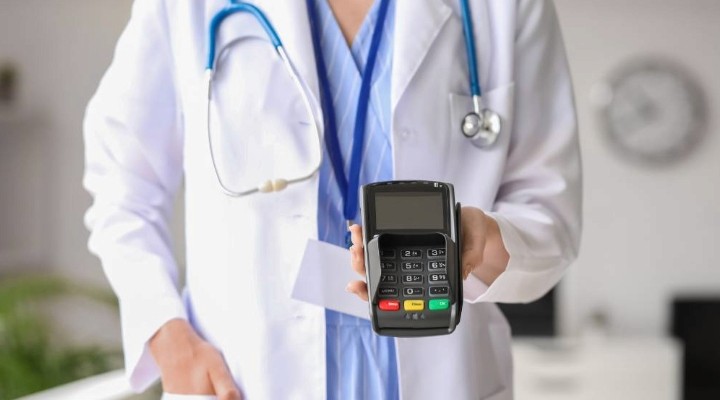
Remote patient monitoring (RPM) has become a critical component of modern healthcare delivery, offering health systems and clinics new opportunities for patient engagement and revenue generation. As we move into 2026, understanding the reimbursement landscape for RPM services is essential for CFOs, heads of digital health, and clinical operations leaders evaluating RPM investments. This comprehensive guide covers the current CPT codes, CMS coverage requirements, and how contactless monitoring technologies like Vitals AI fit within existing reimbursement frameworks.
Understanding RPM CPT Codes for 2026
The Centers for Medicare & Medicaid Services (CMS) has established four primary CPT codes for remote physiological monitoring services. These codes form the foundation of RPM reimbursement and are essential for building a sustainable RPM program.
CPT Code 99453: Device Setup and Patient Education
CPT code 99453 covers the initial setup and patient education for remote physiological monitoring devices. This includes device configuration, patient training on proper use, and initial data transmission setup. Healthcare providers can bill this code once per patient per episode of care, making it a crucial component of RPM program initiation.
The reimbursement for 99453 covers the time and resources required to onboard patients into RPM programs. For contactless monitoring solutions like Vitals AI, this includes educating patients on proper camera positioning and measurement techniques, ensuring they understand how to use their smartphone or device camera for vital sign monitoring.
Key Requirements for 99453 Billing
To bill CPT code 99453, healthcare providers must document the device setup process and patient education activities. The service must be provided by qualified healthcare personnel under the supervision of a physician or qualified healthcare professional.
CPT Code 99454: Data Collection and Transmission
CPT code 99454 represents the supply and technical support for remote physiological monitoring devices, including data collection and transmission services. This code can be billed once per patient per 30-day period, provided the minimum data collection requirements are met.
For camera-based monitoring platforms like Vitals AI, this code covers the ongoing data collection of vital signs including heart rate, blood pressure, respiratory rate, and oxygen saturation. The contactless nature of the technology eliminates device supply costs while maintaining compliance with physiological monitoring requirements.
Minimum Data Requirements
CMS requires a minimum of 16 days of data collection within a 30-day period for billing CPT code 99454. This requirement ensures meaningful patient engagement and clinical value from RPM services.
CPT Code 99457: Clinical Staff Time (First 20 Minutes)
CPT code 99457 covers the first 20 minutes of clinical staff time spent on RPM data review, interpretation, and patient communication each month. This code represents the clinical oversight component of RPM services and requires qualified healthcare personnel to review and act upon the collected data.
The clinical review process includes analyzing trends in vital signs, identifying concerning patterns, and communicating with patients about their health status. For programs using Vitals AI, clinical staff can review comprehensive vital sign data collected through contactless monitoring sessions.
Documentation Requirements
Healthcare providers must document the time spent on clinical review activities and maintain records of patient communications related to RPM data interpretation.
CPT Code 99458: Additional Clinical Staff Time
CPT code 99458 covers each additional 20 minutes of clinical staff time beyond the initial 20 minutes covered by 99457. This code allows healthcare providers to bill for extended clinical oversight when patients require additional attention or complex care coordination.
The additional time may include extended patient counseling, care plan modifications based on RPM data, or coordination with other healthcare providers. This code provides flexibility for managing patients with complex conditions who benefit from intensive remote monitoring.
CMS Coverage Rules and Compliance Requirements
Understanding CMS coverage rules is essential for successful RPM program implementation and reimbursement. These requirements ensure that RPM services meet clinical standards and provide meaningful patient care.
Physiological Monitoring Requirements
CMS defines remote physiological monitoring as the collection of physiological data that is digitally stored and transmitted to healthcare providers. The data must be objective measurements of physiological parameters, not subjective patient-reported information.
Contactless monitoring technologies like Vitals AI qualify under these requirements by collecting objective physiological data including heart rate, blood pressure, respiratory rate, and oxygen saturation through camera-based measurement techniques. The technology meets CMS standards for physiological monitoring without requiring wearable devices.
Minimum Data Collection Standards
The 16-day minimum data collection requirement within a 30-day period is a critical compliance standard for RPM billing. Healthcare providers must ensure consistent patient engagement and data collection to meet this threshold.
Camera-based monitoring platforms can help achieve this requirement through user-friendly interfaces that encourage regular vital sign measurements. The convenience of contactless monitoring may improve patient compliance compared to traditional wearable devices.
Clinical Oversight Requirements
CMS requires that RPM services include meaningful clinical oversight and patient engagement. Healthcare providers must review collected data, identify clinically significant changes, and communicate with patients about their health status.
The clinical oversight must be provided by qualified healthcare personnel under the supervision of a physician or qualified healthcare professional. This ensures that RPM programs maintain clinical standards and provide appropriate patient care.
Reimbursement Economics: ROI Analysis for RPM Programs
Understanding the financial implications of RPM implementation is crucial for healthcare organizations evaluating these programs. The reimbursement potential must be weighed against implementation costs and operational requirements.
Per-Patient Per-Month Revenue Potential
RPM programs can generate significant per-patient per-month revenue through the combination of setup, data collection, and clinical oversight billing. The total monthly revenue potential includes CPT codes 99454, 99457, and potentially 99458 for patients requiring additional clinical attention.
The revenue potential must be evaluated against the costs of RPM platform deployment, clinical staff time, and ongoing program management. Contactless monitoring solutions like Vitals AI may offer cost advantages by eliminating device supply and distribution expenses.
Cost Considerations for Contactless Monitoring
Traditional RPM programs require significant investments in wearable devices, device distribution, and technical support. Contactless monitoring platforms can reduce these costs by leveraging patients' existing smartphones and devices for data collection.
The cost savings from eliminating wearable devices can improve the overall economics of RPM programs while maintaining compliance with CMS reimbursement requirements. Healthcare organizations should evaluate the total cost of ownership when comparing RPM platform options.
Scalability and Program Growth
Successful RPM programs require scalable infrastructure to support growing patient populations. Contactless monitoring technologies offer scalability advantages by reducing the logistical complexity of device management and distribution.
The ability to scale RPM programs efficiently is essential for maximizing reimbursement potential and achieving sustainable program growth. Healthcare organizations should consider scalability factors when evaluating RPM platform investments.
Implementation Strategies for Billable RPM Programs
Successful RPM program implementation requires careful planning and attention to compliance requirements. Healthcare organizations must develop comprehensive strategies that address clinical workflows, staff training, and billing processes.
Clinical Workflow Integration
RPM programs must integrate seamlessly with existing clinical workflows to ensure efficient data review and patient communication. Healthcare providers should establish clear protocols for data analysis, clinical decision-making, and patient outreach.
The integration of contactless monitoring data into electronic health records and clinical decision support systems can streamline workflows and improve clinical efficiency. Healthcare organizations should evaluate integration capabilities when selecting RPM platforms.
Staff Training and Competency
Clinical staff must be trained on RPM data interpretation, billing requirements, and patient communication protocols. Comprehensive training programs ensure compliance with CMS requirements and optimize clinical outcomes.
Training should cover the technical aspects of RPM platforms, clinical interpretation of collected data, and documentation requirements for billing compliance. Ongoing education ensures staff competency as RPM programs evolve.
Quality Assurance and Compliance Monitoring
Healthcare organizations must implement quality assurance processes to ensure ongoing compliance with CMS requirements. Regular audits of data collection, clinical documentation, and billing practices help maintain program integrity.
Quality assurance processes should include monitoring of patient engagement rates, clinical response times, and documentation completeness. These measures help ensure sustainable reimbursement and clinical effectiveness.
Future Considerations for RPM Reimbursement
The RPM reimbursement landscape continues to evolve as healthcare organizations demonstrate the clinical and economic value of remote monitoring programs. Healthcare leaders should stay informed about potential changes to coverage policies and reimbursement rates.
Contactless monitoring technologies represent an emerging category within RPM that may influence future coverage policies. As these technologies demonstrate clinical effectiveness and cost advantages, they may receive additional recognition in reimbursement frameworks.
Healthcare organizations should monitor policy developments and engage with professional organizations to stay informed about changes that may affect RPM program sustainability and growth opportunities.
Further Reading:
Building Sustainable RPM Programs with Vitals AI
Healthcare organizations seeking to implement billable RPM programs must carefully evaluate platform options that meet CMS requirements while providing clinical value and operational efficiency. Contactless monitoring technologies offer unique advantages for RPM program development and sustainability.
Vitals AI provides a contactless monitoring platform that fits within existing RPM reimbursement frameworks while eliminating the costs and complexity of wearable device management. The platform enables healthcare organizations to collect physiological data through smartphone cameras, meeting CMS requirements for remote physiological monitoring.
By leveraging contactless monitoring technology, healthcare organizations can build scalable RPM programs that maximize reimbursement potential while providing meaningful clinical value to patients and providers.
Conclusion
RPM reimbursement in 2026 offers significant opportunities for healthcare organizations that understand the regulatory requirements and implement compliant programs. The four CPT codes for remote physiological monitoring provide a clear framework for billing, while contactless monitoring technologies like Vitals AI offer new approaches to meeting CMS requirements.
Healthcare leaders must focus on building sustainable RPM programs that balance clinical effectiveness, operational efficiency, and financial viability. Understanding the reimbursement landscape and compliance requirements is essential for successful program implementation and long-term sustainability.
Ready to explore RPM reimbursement opportunities?
Talk to us about building a billable RPM program with Vitals AI.
Explore Understanding PHI: Protected Health Information Explained.
Get practical insights in The Next Frontier in AI Isn't Intelligence. It's Emotion.
Explore Secure Messaging vs. SMS: Benefits, Compliance, and Security Needs.
Learn about HIPAA Security Rule Applies To.