Wearable-Free Vital Signs for Elderly and Remote Patients
Traditional wearable-based remote patient monitoring consistently fails in elderly populations due to adherence challenges, device complexity, and management burden. Camera-based vital monitoring using existing household devices eliminates these barriers, enabling scalable RPM programs that capture essential vitals without additional hardware or patient training requirements.
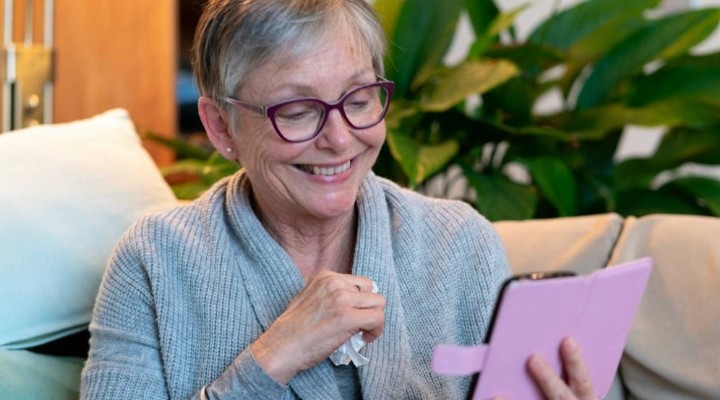
Remote patient monitoring for elderly populations represents the highest-value opportunity in digital health, yet traditional wearable-based approaches consistently fail in this demographic. In 2022, there were 771 million people globally aged 65 and above, and this rate is growing.
As aged care organizations and hospital discharge teams seek scalable monitoring solutions, the fundamental challenge becomes clear: elderly patients need continuous vital sign monitoring, but wearable devices create insurmountable barriers to adherence and clinical success.
Why Wearable-Based RPM Fails in Elderly Populations
Elderly patients present distinct healthcare requirements, including chronic conditions, medication management, and mobility issues. However, traditional wearable monitoring devices compound these challenges rather than solving them.
Wearable adherence in elderly populations drops sharply within weeks of deployment. Devices get lost, forgotten, or broken. Charging requirements become overwhelming. The complexity of managing yet another device creates friction that undermines clinical outcomes.
The fundamental issue is that elderly patients require the most monitoring but are the least equipped to manage wearable technology consistently.
Further Reading:
Remote Healthcare and Life Expectancy in the US: Factors to Consider
Balancing Technology and Empathy in Digital Patient Experience
Camera-Based Monitoring: The Only Viable RPM Approach
Camera-based vital sign monitoring eliminates the primary barriers that plague wearable-based programs in elderly populations. Using existing household devices—tablets, smartphones, or smart displays—patients can capture essential vitals without managing additional hardware.
This approach leverages devices that elderly patients or their caregivers already possess and understand. No charging, no wearing, no remembering to put on devices. The monitoring becomes as simple as looking at a screen they already use for video calls with family.
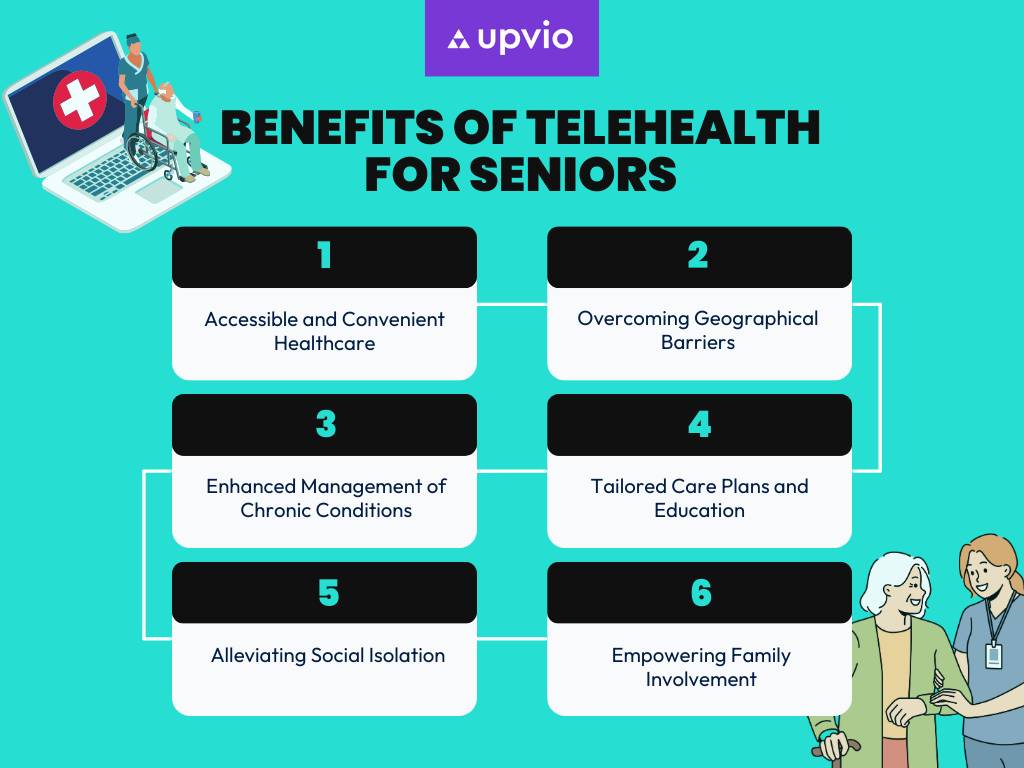
Essential Vitals for Elderly Remote Monitoring
Effective elderly RPM programs focus on four critical vital signs that camera-based monitoring can capture accurately: blood pressure, heart rate, respiratory rate, and oxygen saturation. These measurements provide the clinical insight needed for chronic disease management and early intervention.
Camera-based monitoring requires no new hardware if a tablet or smart device is present in the household. This zero-friction approach addresses the unique challenges of elderly patients, particularly those living independently who may lack technical support for complex devices.
Discharge-to-Home Programs: Zero-Friction Vital Capture
Hospital discharge teams implementing RPM programs benefit significantly from camera-based monitoring. Traditional discharge protocols often fail when patients struggle with wearable device setup and maintenance at home.
Upvio's Vitals AI platform transforms any camera-enabled device into a contactless vital signs monitor, enabling seamless transition from hospital to home monitoring without device distribution or patient training on new hardware.
Clinical Benefits of Wearable-Free Monitoring
Camera-based monitoring delivers measurable advantages for elderly patient care:
Improved Adherence and Data Quality
Wearable-free monitoring eliminates the primary causes of program dropout in elderly populations:
No device management or charging requirements
No physical discomfort or skin irritation
No risk of device loss or damage
Scalable Implementation Across Care Settings
Camera-based vital monitoring integrates seamlessly into existing care workflows, providing clinical teams with consistent data streams without the operational overhead of device distribution and support.
Overcoming Implementation Challenges
Successful camera-based RPM programs for elderly patients require minimal technical infrastructure. The key is leveraging devices already present in households rather than introducing new technology.
Care teams can focus on clinical outcomes rather than device troubleshooting, as camera-based monitoring eliminates the technical support burden that typically accompanies wearable programs.
Best Practices for Elderly RPM Programs
Implementing effective camera-based monitoring requires specific considerations for elderly populations:
Leverage Existing Devices: Utilize tablets or smart devices already in the household rather than introducing new hardware.
Simplify the Process: Ensure vital capture requires minimal steps and can be completed independently or with caregiver assistance.
Focus on Key Vitals: Prioritize blood pressure, heart rate, respiratory rate, and oxygen saturation for comprehensive health monitoring.
Enable Caregiver Involvement: Design workflows that allow family members or caregivers to assist with monitoring when needed.
Integrate with Care Teams: Ensure vital data flows directly to clinical teams for timely intervention and care coordination.
Minimize Training Requirements: Choose platforms that require minimal patient education or technical onboarding.
Plan for Varying Abilities: Account for visual, cognitive, or mobility limitations that may affect monitoring participation.
Establish Clear Protocols: Define monitoring frequency and clinical response procedures for abnormal readings.
Equity and Access in Elderly RPM
Camera-based monitoring addresses fundamental equity issues in elderly RPM by eliminating the cost and complexity barriers of wearable devices. Programs can reach elderly patients regardless of their technical sophistication or economic circumstances.
This approach ensures that RPM benefits extend to all elderly populations, not just those comfortable with wearable technology or able to manage complex device requirements.
Future of Camera-Based Monitoring in Elderly Care
The evolution of camera-based vital monitoring continues to advance, with AI-driven diagnostics and enhanced accuracy for elderly-specific physiological patterns. These developments strengthen the clinical value of wearable-free monitoring for aged care organizations.
Conclusion
Camera-based vital monitoring represents the only viable approach to scalable RPM in elderly populations. By eliminating wearable device barriers, care organizations can achieve the clinical outcomes and patient engagement that traditional RPM programs consistently fail to deliver.
As discharge teams and aged care organizations seek effective monitoring solutions, wearable-free approaches provide the path to sustainable, high-adherence programs that actually work for elderly patients.
Upvio's Vitals AI platform enables healthcare organizations to implement camera-based vital monitoring that transforms any device camera into a clinical-grade monitoring tool, specifically designed for the unique needs of elderly patient populations.
Talk to us about elderly RPM programs:
Learn how Vitals AI turns a simple camera into a contactless vital signs scanner.
Get practical tips in Why Vital Signs Matter in Psychiatry.
Discover Remote Healthcare and Life Expectancy in the US: Factors to Consider.