Contactless Vital Monitoring for Underserved Populations
Contactless vital sign monitoring uses smartphone cameras to capture physiological measurements without specialized hardware, addressing healthcare access barriers in rural and underserved communities. This technology enables continuous chronic disease management by eliminating travel requirements and device distribution costs. Rural healthcare providers can deliver real-time monitoring, early intervention, and population health services while reducing healthcare disparities.
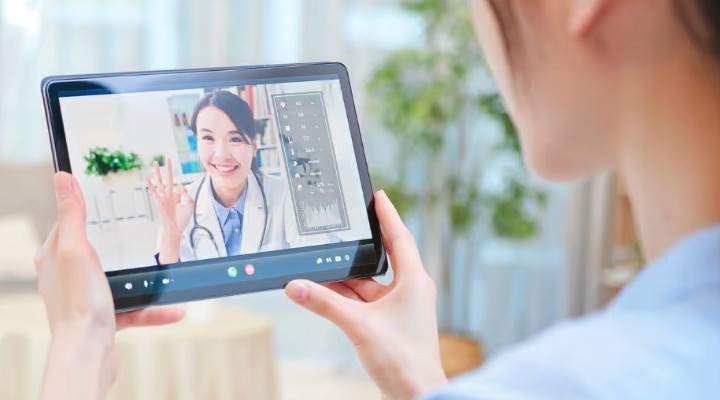
Healthcare monitoring has emerged as a critical tool in addressing the unique challenges faced by rural and underserved communities. With limited access to healthcare facilities, a shortage of healthcare professionals, and significant health disparities, contactless vital sign monitoring offers a practical solution to improving chronic disease management and ensuring quality care for these populations.
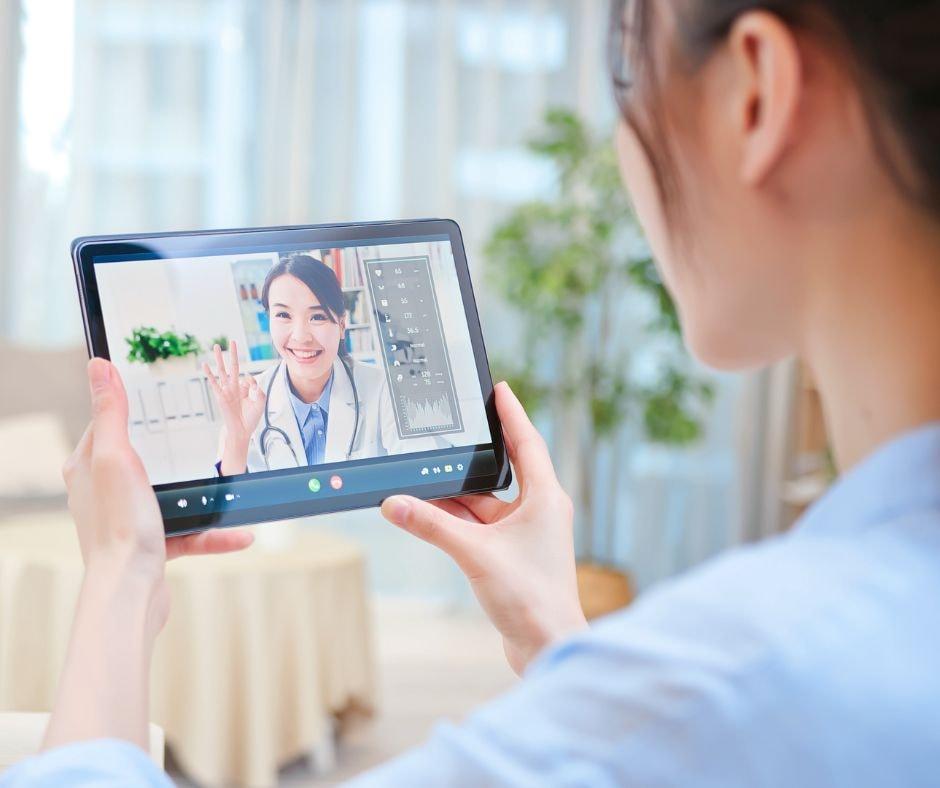
What is Contactless Vital Sign Monitoring?
Contactless vital sign monitoring refers specifically to the use of camera-based technology to capture physiological measurements remotely without requiring wearable devices or specialized hardware. This includes heart rate, blood pressure, respiratory rate, oxygen saturation, and stress levels measured through smartphone or device cameras. Unlike traditional remote patient monitoring, which requires expensive hardware distribution, contactless monitoring leverages devices patients already own.
For rural populations, contactless monitoring plays a critical role in expanding healthcare access, particularly for chronic disease management. Patients can capture vital signs from their homes using their existing smartphones, eliminating the need for costly device distribution programs or frequent clinic visits. This method of health assessment is especially beneficial for individuals with mobility issues, those without reliable transportation, or those living in areas with limited healthcare infrastructure.
Contactless monitoring enables real-time health data collection between patients and healthcare providers, allowing for continuous health tracking, early intervention, and personalized treatment adjustments without requiring long-distance travel. It also supports population health initiatives, helping healthcare organizations monitor patient progress across large geographic areas and intervene when necessary. As smartphone penetration continues to expand in underserved communities, contactless monitoring will play an increasingly vital role in improving health outcomes and ensuring equitable healthcare access.
The Importance of Accessible Monitoring for Chronic Disease Management in Rural Communities
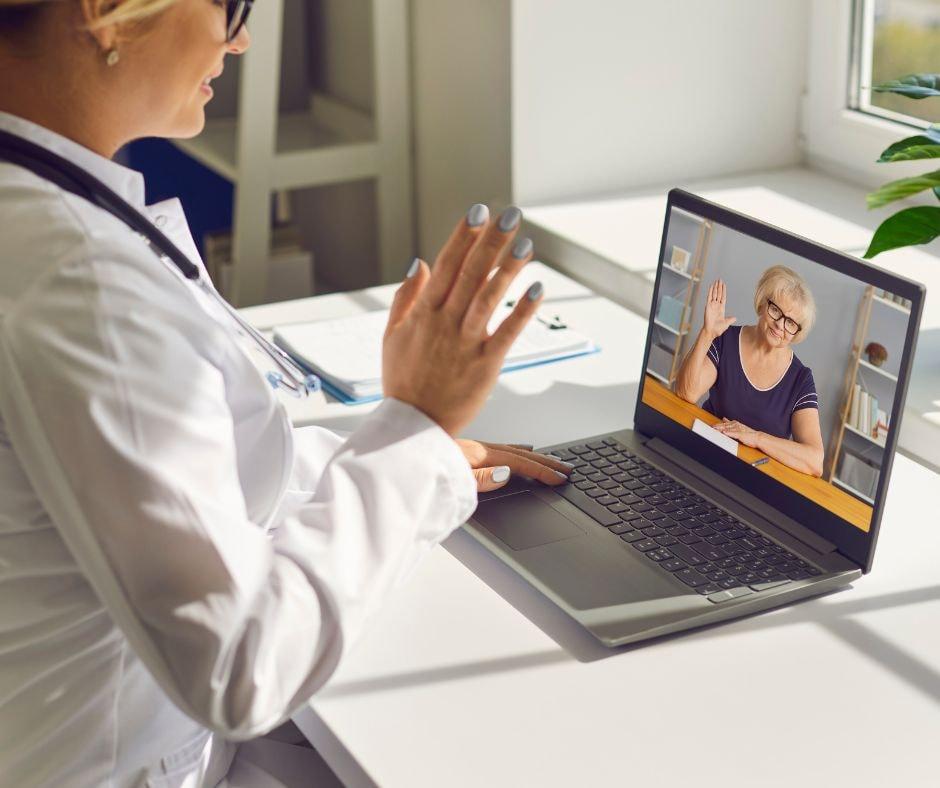
Rural communities often struggle with managing chronic conditions due to geographical isolation and limited healthcare resources. Many rural areas have a shortage of healthcare providers and monitoring equipment, leaving residents with few options for regular health assessments. In some cases, individuals may need to travel hours to the nearest healthcare facility for routine vital sign checks, creating barriers to consistent monitoring and increasing the risk of unmanaged conditions like hypertension, diabetes, and cardiovascular disease.
Contactless monitoring programs have transformed rural healthcare by enabling healthcare providers to offer continuous health assessment, chronic disease management, and population health services. Through camera-based vital sign capture, medication adherence tracking, and early warning systems, contactless monitoring bridges the gap between patients and providers. Additionally, these services ensure that rural residents have access to consistent health monitoring tailored to their unique geographic and economic challenges, helping to reduce healthcare disparities and encourage proactive health management. By eliminating travel barriers and providing on-demand health assessment tools, contactless monitoring makes it easier for rural residents to maintain necessary care.
Addressing Rural Health Challenges Through Contactless Technology
Rural health clinics and critical access hospitals play a crucial role in implementing contactless monitoring services. These facilities serve as vital healthcare hubs for rural populations, often acting as the primary point of access for chronic disease management. However, traditional remote patient monitoring devices present significant barriers. Many rural populations cannot afford the upfront costs of specialized monitoring equipment, and device replacement and maintenance create ongoing financial burdens for both patients and healthcare systems.
Expanding access to contactless monitoring technology and increasing healthcare funding programs that serve rural areas can help rural Medicare beneficiaries and underserved communities gain better access to continuous health monitoring and specialized care. Investments in smartphone-based monitoring platforms, provider training for contactless assessment, and state or federally funded population health initiatives are necessary to ensure long-term success. Additionally, integrating contactless monitoring into rural primary care settings can improve early intervention strategies, reducing the severity of chronic conditions before they escalate. By addressing these challenges, contactless monitoring has the potential to transform chronic disease management in rural communities, making assessment more accessible, cost-effective, and sustainable.
How to Improve Chronic Disease Management in Rural Areas

Chronic disease management remains a pressing concern for rural patients. Limited access to regular monitoring and healthcare professionals exacerbates poor health outcomes. Many rural residents struggle with conditions such as hypertension, diabetes, and cardiovascular disease, yet face significant barriers to care, including long wait times and provider shortages. Contactless monitoring programs allow rural healthcare providers to deliver continuous vital sign tracking, health assessments, and early intervention to improve patient outcomes. By integrating contactless monitoring into population health programs, rural practices can significantly improve chronic disease management and overall community health.
Beyond direct clinical monitoring, contactless services can be enhanced by training rural healthcare providers to interpret and act on remote vital sign data. Community engagement and outreach programs can further strengthen rural health management by promoting contactless monitoring awareness and reducing technology barriers. Additionally, partnerships between rural healthcare organizations and contactless monitoring technology providers can help streamline services and ensure better population health outcomes.
Enhancing Rural Health Access with Contactless Monitoring
Contactless vital sign monitoring is transforming healthcare access for rural populations. By utilizing smartphone-based health assessment and remote monitoring services, healthcare organizations can track chronic conditions, improve healthcare quality, and provide ongoing support for disease management. Federally qualified health centers and rural hospitals benefit from these monitoring capabilities by reducing emergency visits and increasing treatment adherence.
Contactless monitoring tools, such as camera-based vital sign capture and health tracking applications, allow providers to monitor physiological changes in real time and intervene before health crises occur. Patients managing conditions like hypertension, diabetes, or cardiovascular disease can receive timely health assessments and adjustments to their treatment plans without requiring in-person visits. These innovations not only improve patient outcomes but also reduce healthcare costs and optimize resource allocation for rural practices.
Overcoming Barriers to Quality Monitoring in Rural Areas
Despite the progress in contactless monitoring, challenges such as funding programs, internet access, and healthcare system limitations persist. Policymakers and healthcare facilities must continue to advocate for accessible monitoring expansion, ensuring health equity and improved chronic disease outcomes for rural patients. Increased federal and state funding for rural broadband infrastructure, as well as reimbursement policies that support contactless monitoring services, can help bridge existing gaps.
Addressing healthcare workforce shortages is another critical step in overcoming barriers to quality chronic disease management. Encouraging healthcare professionals to work in rural settings through loan forgiveness programs, competitive salaries, and incentives can help build a more robust rural healthcare workforce. Additionally, expanding interdisciplinary care models that integrate contactless monitoring with primary care can provide a more holistic approach to treating rural patients.
The Future of Contactless Monitoring in Rural Health Care
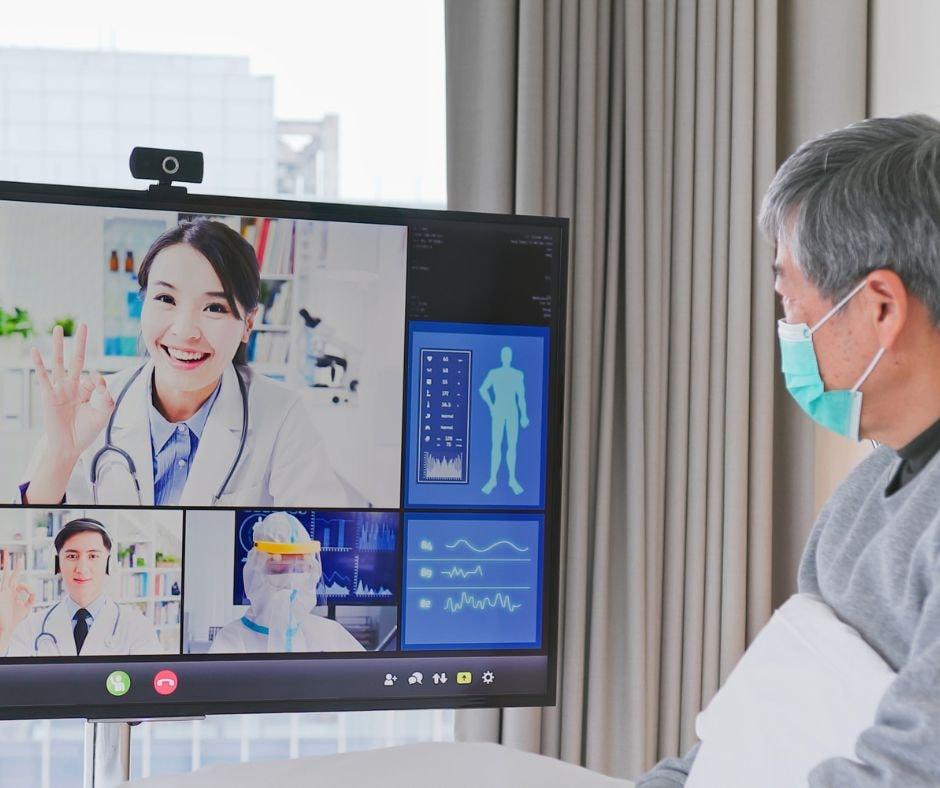
The role of contactless monitoring in rural healthcare is expected to grow as healthcare providers adopt new camera-based technologies and remote clinical services. Advancements in artificial intelligence, computer vision, and mobile health applications will further enhance the accuracy and reach of contactless monitoring programs. By focusing on increasing access, cost savings, and rural healthcare equity, contactless monitoring can transform the way rural residents manage chronic conditions and how rural providers deliver quality healthcare services.
Additionally, collaborations between healthcare organizations, medical facilities, policymakers, and technology companies will be crucial in expanding smartphone access and improving digital literacy among rural populations. Increased funding for contactless monitoring infrastructure, training for rural healthcare providers, and incentives for health professionals to offer remote monitoring services will further strengthen the future of rural healthcare.
With continued support from healthcare organizations, public health initiatives, and Medicare beneficiaries, contactless monitoring is poised to become an essential component of rural chronic disease management. By leveraging camera-based technologies, underserved communities can overcome barriers to health monitoring, ultimately improving patient outcomes, enhancing healthcare equity, and ensuring that those in need receive timely and effective care.
Contactless Monitoring in Rural Areas is the Future of Health Care Services
Contactless monitoring is not just a temporary solution—it is a long-term strategy to bridge the healthcare monitoring gap for rural and underserved communities. By leveraging contactless vital sign technology, rural healthcare providers can deliver quality care, reduce health disparities, and improve population health outcomes. However, addressing challenges such as broadband access, funding, and provider training remains essential for contactless monitoring's continued success. As monitoring technology advances and healthcare policies evolve, rural residents will benefit from more accessible, efficient, and cost-effective health services, ensuring a healthier future for these communities.
Keep exploring with these related resources:
Explore Vitals AI for remote, camera-based vital signs monitoring.
Discover Managing chronic conditions through telehealth.
Read more in Why Vital Signs Matter in Psychiatry.
Read more in Why Your Facial Recognition Software Misreads Emotions.