rPPG vs Traditional Vitals Hardware: The Contactless Case
Clinical-grade rPPG technology delivers medical-grade vital sign accuracy through standard cameras, eliminating hardware procurement, sterilization protocols, and scalability constraints of traditional contact-based devices. Healthcare organizations can reduce operational overhead while maintaining clinical reliability across routine monitoring applications.

The Clinical Case: Contact-Based vs Contactless Vital Sign Monitoring
Healthcare procurement teams face a fundamental choice when selecting vital sign monitoring technology: traditional contact-based devices requiring physical hardware per patient, or contactless remote photoplethysmography (rPPG) systems that capture vitals through standard cameras. This comparison examines the clinical accuracy, operational efficiency, and cost implications of both approaches for healthcare organizations.
Understanding rPPG Technology for Clinical Applications
Remote photoplethysmography (rPPG) captures cardiovascular and respiratory signals by detecting subtle color variations in facial skin caused by blood volume changes. Unlike consumer wellness apps, clinical-grade rPPG platforms like Upvio's Vitals AI deliver medical-grade accuracy for heart rate, respiratory rate, oxygen saturation, blood pressure estimation, and stress indicators through any standard camera.
This contactless approach eliminates the need for specialized hardware, physical patient contact, or device sterilization protocols while maintaining clinical reliability across diverse patient populations.
Traditional Contact-Based Monitoring: Hardware and Operational Requirements
Contact-based vital sign monitoring relies on dedicated devices for each measurement type:
Pulse oximeters, blood pressure cuffs, thermometers, and ECG electrodes require direct patient contact and individual device procurement. Each device demands sterilization between patients, regular calibration, and replacement due to wear or contamination.
Operationally, contact-based monitoring requires physical presence, extends appointment duration, and creates supply chain dependencies. Healthcare facilities must maintain device inventories, implement cleaning protocols, and manage equipment lifecycle costs.
The scalability challenge becomes apparent during high patient volumes or remote monitoring scenarios where hardware distribution becomes logistically complex.
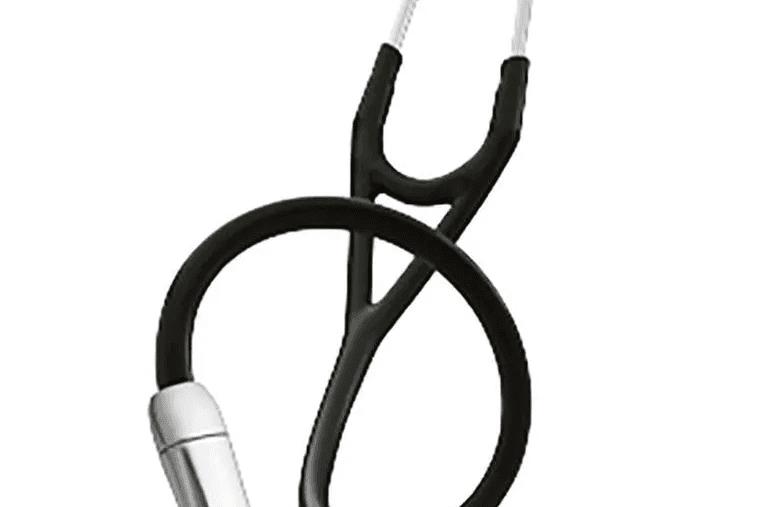
Clinical Accuracy Comparison: rPPG vs Traditional Devices
Clinical validation studies demonstrate that medical-grade rPPG achieves accuracy comparable to traditional contact-based devices across key vital signs:
Heart Rate Monitoring
Clinical-grade rPPG systems show mean absolute error rates within 2-3 BPM compared to ECG reference standards, matching the accuracy of pulse oximeters while eliminating contact requirements.
Respiratory Rate Assessment
rPPG respiratory rate measurements demonstrate correlation coefficients above 0.9 when compared to chest impedance monitoring, providing reliable respiratory assessment without chest sensors.
Oxygen Saturation Estimation
Advanced rPPG algorithms achieve oxygen saturation estimates within clinical tolerance ranges, though traditional pulse oximetry remains the gold standard for critical care applications requiring precise SpO2 measurements.
Blood Pressure Monitoring
rPPG-based blood pressure estimation shows promising correlation with cuff-based measurements, particularly for trend monitoring and screening applications where absolute precision requirements are less stringent.
Key Clinical Finding: Medical-grade rPPG delivers clinically acceptable accuracy for routine monitoring while eliminating hardware and hygiene overhead.
Operational Advantages of Contactless Monitoring
Healthcare organizations implementing rPPG technology report significant operational benefits compared to traditional contact-based approaches.
Procurement and Inventory Elimination
rPPG systems eliminate per-patient hardware procurement, reducing capital expenditure and inventory management overhead. Organizations can scale monitoring capacity without proportional equipment investment.
Hygiene Protocol Simplification
Contactless monitoring removes device sterilization requirements, reducing infection control complexity and eliminating cross-contamination risks between patients.
Scalability and Remote Deployment
Camera-based monitoring scales to unlimited patient volumes without additional hardware. Remote patient monitoring programs can deploy instantly without shipping devices to patient homes.
Workflow Integration
rPPG integrates seamlessly with existing telehealth platforms and electronic health records, capturing comprehensive vital signs during routine video consultations without workflow disruption.
Staff Efficiency
Automated vital sign capture reduces clinical staff time per patient encounter, allowing focus on clinical assessment rather than device management.
Further reading:
Wearable-free vital signs monitoring
Ambient vital monitoring with rPPG
Remote vital signs monitoring
Data gaps in health monitoring
Implementation Considerations for Healthcare Organizations
Successful rPPG deployment requires consideration of clinical workflows, technology infrastructure, and staff training requirements.
Technology Infrastructure Assessment
Organizations need adequate camera resolution and processing capability to support clinical-grade rPPG. Most modern devices and telehealth platforms meet these requirements without additional investment.
Clinical Workflow Integration
rPPG systems integrate most effectively when embedded within existing clinical software rather than requiring separate applications or manual data transfer.
Staff Training and Change Management
Clinical teams require training on contactless monitoring interpretation and understanding of accuracy parameters compared to traditional devices.
Regulatory and Compliance Considerations
Healthcare organizations should verify that rPPG platforms meet relevant medical device regulations and integrate with existing compliance frameworks.
Cost-Benefit Analysis: Total Cost of Ownership
The economic comparison between contact-based and contactless monitoring extends beyond initial procurement costs to include operational expenses, scalability factors, and long-term maintenance requirements.
Traditional contact-based systems require ongoing device replacement, calibration services, and sterilization supplies. rPPG systems eliminate these recurring costs while providing unlimited scalability through software licensing models.
For organizations planning remote patient monitoring expansion or high-volume screening programs, the cost advantage of contactless monitoring becomes particularly significant.
Clinical Applications and Use Cases
Different clinical scenarios favor contactless or contact-based monitoring depending on accuracy requirements, patient populations, and operational constraints.
rPPG excels in telehealth consultations, routine screening, chronic disease monitoring, and high-throughput clinical settings where efficiency and hygiene are priorities.
Traditional contact-based devices remain essential for critical care environments, surgical monitoring, and clinical situations requiring absolute measurement precision.
Many healthcare organizations adopt hybrid approaches, using rPPG for routine monitoring while maintaining contact-based devices for specialized clinical requirements.
Making the Technology Decision
The choice between contact-based and contactless vital sign monitoring depends on organizational priorities, clinical requirements, and operational constraints. rPPG technology offers compelling advantages for healthcare organizations seeking to reduce hardware overhead, improve operational efficiency, and scale monitoring capabilities without proportional cost increases.
Clinical-grade rPPG platforms deliver medical-grade accuracy while eliminating the procurement, hygiene, and scalability challenges inherent in traditional contact-based monitoring approaches.
For procurement teams evaluating monitoring technology options, contactless rPPG represents a strategic investment in operational efficiency and clinical scalability.
Request a Vitals AI accuracy validation report to review clinical performance data and implementation requirements for your organization.
Keep exploring with these related resources:
Discover how Vitals AI captures 20+ health markers in a few seconds.
Dive deeper with Improving Accuracy in AI-Based Patient Expression Analysis.
Get practical tips in Making Virtual Health Conversations More Effective.